Can Anyone Make a Beautiful Custom Song Gift Without Music Skills?
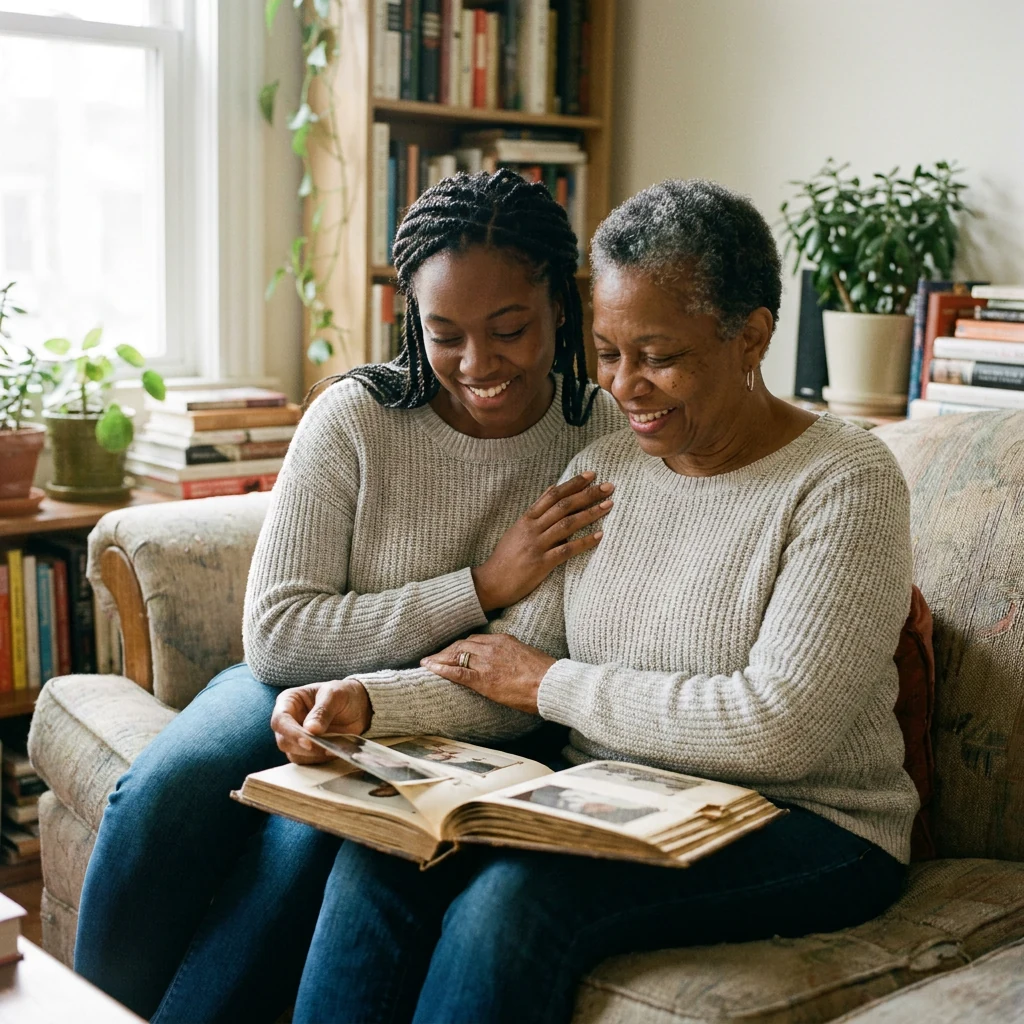
Can anyone make a beautiful custom song gift without music skills? Yes. Modern digital music tools allow people without formal training to create personalized songs by providing stories, memories, and emotions. A 2024 survey of creative technology users found that more than 60% of beginners were able to complete AI-assisted creative projects without previous professional skills. Custom songs now combine personal storytelling, automated composition, and digital production, making music creation available to ordinary users.
Creating a custom song does not require years of music education. Traditional songwriting often involved knowledge of melody, harmony, instruments, recording software, and studio production. Today, many platforms simplify the process by allowing users to describe a person, a memory, or a special occasion in normal language. AI-assisted music tools can help organize lyrics, suggest melodies, and create instrumental backgrounds. Since 2020, the use of AI creative tools has expanded rapidly, with millions of users exploring music, image, and writing applications.
The process usually begins with collecting personal details. A meaningful song needs more than a name or a simple greeting. Details such as shared experiences, personality traits, favorite places, and important dates help create lyrics that feel connected to the recipient. For example, a person making a birthday song can include childhood memories, family stories, or personal achievements. A 2023 consumer study on personalized gifts showed that 72% of participants preferred gifts containing personal information over standard products.
“A custom song feels personal because it tells a specific story instead of delivering a general message.”
After gathering the story, the next step is shaping the lyrics. Many beginners believe songwriting requires advanced writing ability, but most successful songs use simple language, repeated themes, and clear emotional messages. Popular songs often follow structures such as verse, chorus, and bridge. Research published in 2019 on music memory found that repeated musical sections improve listener recall, which explains why choruses are often repeated several times.
The musical style can also be selected without technical knowledge. Users can choose different moods, including acoustic, pop, cinematic, country, or piano-based arrangements. Digital music platforms developed after 2018 have made style selection easier by using examples and descriptions instead of complicated production settings. A person creating a gift for mom can choose a warm piano arrangement, a gentle vocal style, and lyrics focused on family memories without understanding music theory.
The improvement of AI music generation has changed how people approach personalized songs. Earlier digital production tools mainly helped musicians edit recordings, but newer systems can assist with composition, arrangement, and vocal creation. According to industry research published in 2024, the AI music market continued expanding with annual growth estimates above 25%, supported by increasing consumer use of automated creative services.
The quality of a custom song depends heavily on the information provided during creation. A short request such as “make a happy song” usually creates a general result. A detailed description with specific memories gives the system more information to work with. The difference is similar to asking a writer to create a story with a full background instead of only providing a character name.
| Information provided | Possible song result |
|---|---|
| Name only | General personalized lyrics |
| Name + relationship | More emotional connection |
| Memories + important moments | More specific storytelling |
| Full personal story | Highly customized song experience |
Personal songs are increasingly used for birthdays, weddings, anniversaries, graduations, and family celebrations. A 2022 consumer gifting report showed that personalized gifts represented one of the fastest-growing segments in the online gift market, with many buyers choosing items connected to memories rather than standard products. Music adds another layer because it combines words, sound, and emotion in one format.
A custom song can also help people express feelings that are difficult to communicate through regular conversations. Many people find it easier to share appreciation through lyrics because songs provide a structured way to describe emotions. For example, adult children may create songs for parents, couples may write anniversary songs, and friends may record memories from years of friendship.
“The purpose of a custom song is not to show musical ability. It is to preserve a personal moment in a form that can be replayed.”
The production process has become faster because digital tools reduce many technical steps. A traditional studio project might require a songwriter, composer, singer, producer, and sound engineer. In contrast, online platforms can combine several stages into one workflow. In 2024, many AI-assisted music services reported that users could generate early song versions within minutes and refine them through multiple revisions.
Professional quality still requires attention to details. Users should review lyrics carefully, check pronunciation of names, and make sure the emotional tone matches the occasion. A romantic song may need a softer arrangement, while a celebration song may require stronger rhythms and brighter sounds. Small adjustments can improve how natural and personal the final result feels.
Creating a custom song also encourages creativity from people who never considered themselves musicians. In the past, limited access to recording equipment and professional support prevented many people from making music. The growth of affordable digital tools after 2015 reduced these limitations, allowing more users to participate in creative activities.
The popularity of personalized music reflects a broader change in how people choose gifts. Many consumers now look for items that represent relationships and memories instead of products that can be easily replaced. A song created for one person cannot be copied in the same way as a commercial product because its content is based on individual experiences.
Custom songs may continue developing as technology improves. Future tools may offer more detailed voice options, interactive versions, and stronger connections between personal stories and musical styles. However, the most important part of the process remains the same: the creator needs to provide real memories and honest feelings.
Anyone can make a beautiful custom song gift without music skills because modern tools handle many technical tasks that once required professional training. The creator’s role is mainly to provide the story, choose the mood, and refine the details. With personal information and a clear idea, a simple message can become a complete song that represents a special relationship.